

XR Optimus says: Hello world!
MPS introduces a brand new platform to make distributions of Virtual Reality and Augmented Reality applications and contents smarter.
XR, a common term for Virtual Reality (VR), Augmented Reality (AR), and Mixed Reality (MR), has been around for a few years now. Until recently, it was mostly used for video games. With the availability of affordable commercial Head Mounted Devices (HMD) in the market, the popularity of VR and MR has risen. The demand for XR in enterprise and education has increased manifold over the last 2-3 years and will increase further in 2025.
“The Virtual Reality (VR) market was valued at USD 11.52 billion in 2019 and is expected to reach USD 87.97 billion by 2025, at a CAGR of 48.7% over the forecasted period 2020 – 2025” (Mordor Intelligence – https://www.mordorintelligence.com/industry-reports/virtual-reality-market)
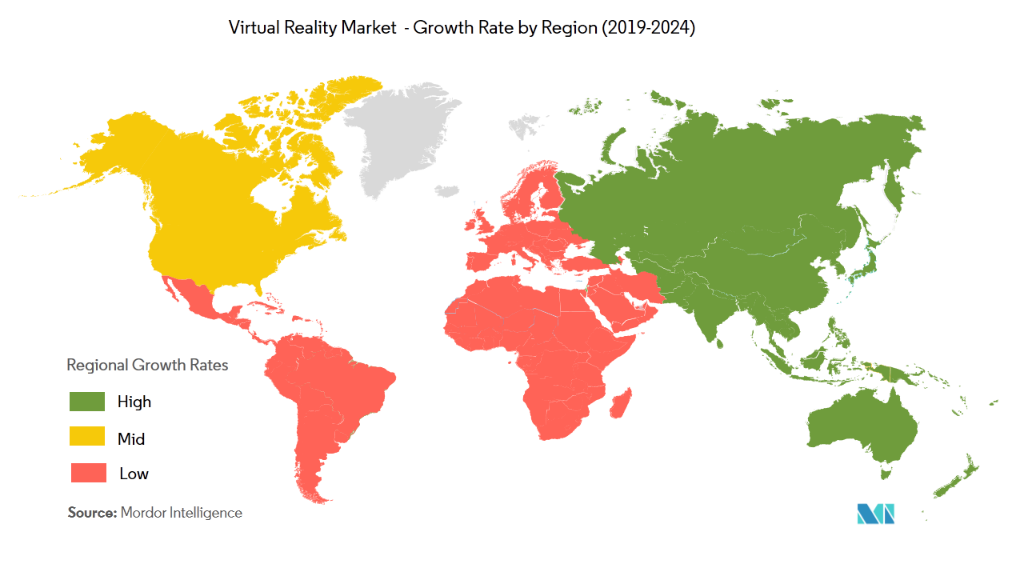
With the increase in demand for XR-based solutions, the need for tracking the data in XR programs has increased manifold. However, there are no industry standards that cover packaging, tracking (run-time APIs), reporting, etc. for XR-based learning solutions. The scenario of having many Head Mounted Device providers, with their own SDK’s, app stores, installation, and controllers, adds to the complexity of defining a common standard. Considering all these challenges, it has become difficult to create a system that caters to all HMDs and XR formats. But it is clear that organizations need to have a robust VR platform that can create a delivery channel that enables the structured, standardized, and scalable distribution of content and experiences across devices and types of XRs – all from a centralized location.